
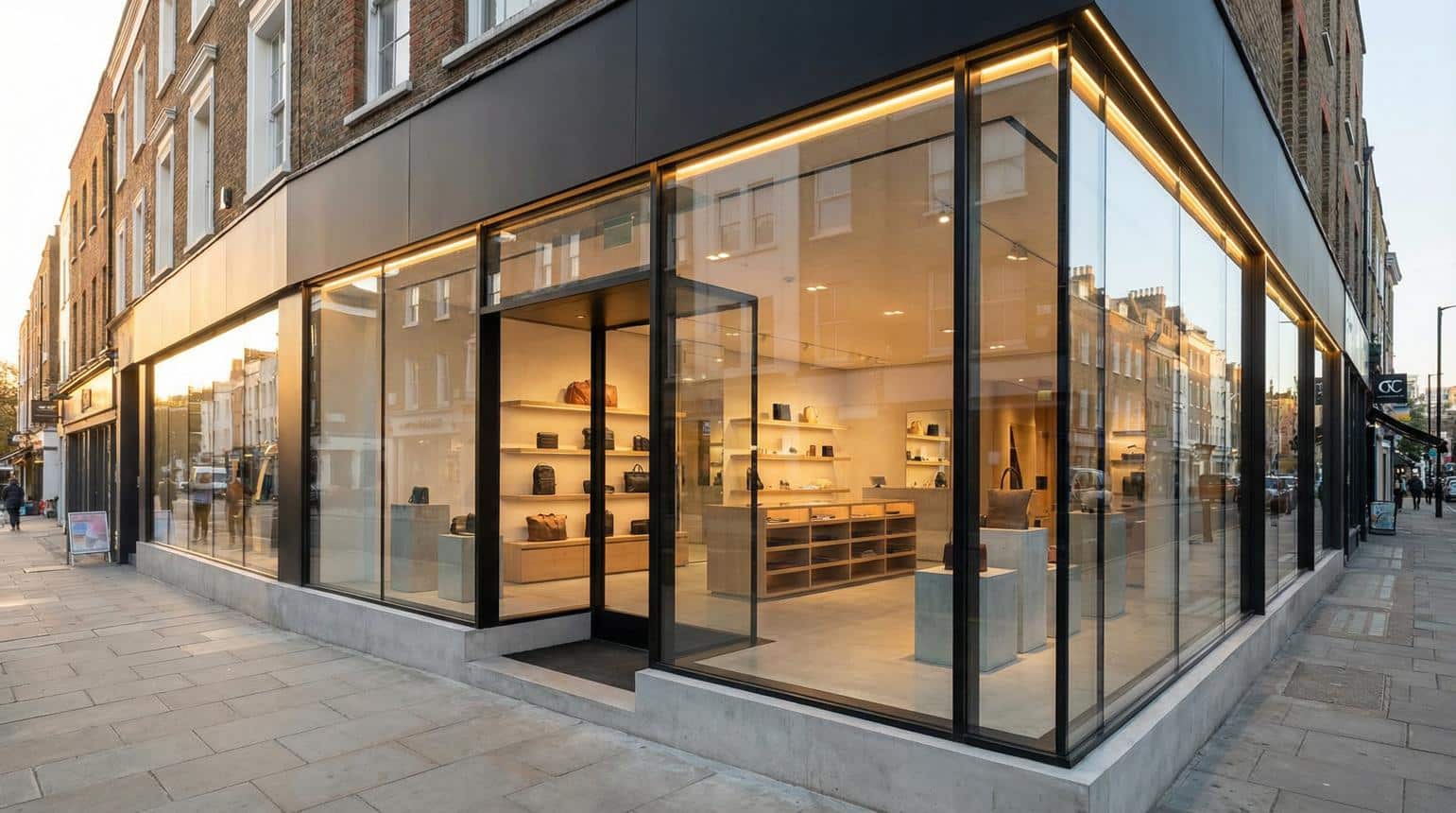
How to Choose a Shopfront for a New Retail Business
Starting a new retail business is an exciting step, but choosing the right shopfront for a new retail business is an important decision. Your shopfront is the first thing potential customers notice when they walk past your premises. It helps create a strong first impression, showcases your products, improves security, and reflects your brand identity.
Whether you are opening a clothing boutique, convenience store, café, salon, showroom, or electronics shop, the right shopfront for a new retail business can make your premises look professional and welcoming.
In this guide, we explain how to choose a shopfront for a new retail business, what factors to consider, which materials are worth exploring, and how to make a practical choice for your budget and business needs.
Why Is Choosing the Right Shopfront Important?
A shopfront is more than an entrance to your business. Choosing the right shopfront for a new retail business can help attract customers, protect your premises, and create a comfortable shopping environment.
1. Create a Strong First Impression
Your shopfront helps customers form an opinion about your business before they enter. A modern, clean, and attractive design can make your premises look professional and encourage people to explore what you offer.
For example, a clothing boutique may benefit from large glass panels that showcase its latest collection, while a premium jewellery store may prefer a sophisticated design with carefully planned display areas and enhanced security.
2. Improve Security
Security should be a priority when selecting a shopfront for a new retail business. Your entrance and glazing need to suit the location, the type of products you sell, and the level of protection your business requires.
Options such as suitable safety glazing, secure locking systems, and compatible commercial security shutters can help protect your premises.
3. Increase Product Visibility
A well-designed shopfront allows potential customers to see your products and displays from outside. Good visibility can make your business more inviting and help communicate what you sell.
Glass shopfronts are particularly popular with retailers who want to create attractive window displays and make better use of natural light.
4. Support Energy Efficiency
The right glazing, seals, doors, and framing can help reduce unwanted draughts and heat transfer. This may contribute to a more comfortable indoor environment and help manage energy use.
When comparing options for your shopfront for a new retail business, consider the glazing specification and the overall performance of the complete installation rather than focusing on appearance alone.
7 Important Factors to Consider When Choosing a Shopfront
Before selecting a design, consider these factors to find the best shopfront for a new retail business.
1. Choose the Right Shopfront Material
The material affects the appearance, durability, maintenance requirements, and overall cost of your shopfront.
Aluminium shopfronts
Aluminium shopfronts are a popular choice for modern retail businesses. They offer a clean appearance, a range of finishes, and strong framing for commercial glazing.
They can suit clothing stores, offices, restaurants, salons, and many other commercial premises.
Benefits include:
- Modern and professional appearance.
- Durable framing when properly specified and maintained.
- A range of colours and finishes.
- Compatibility with different commercial glazing options.
- Relatively low routine maintenance requirements.
Glass shopfronts
Glass shopfronts help create an open and inviting appearanceThey allow products and displays to remain visible from outside, making them suitable for many retail environments.
Depending on the design, glass shopfronts can incorporate aluminium framing or a frameless appearance.
Benefits include:
- Excellent product visibility.
- A contemporary appearance.
- Greater use of natural daylight.
- Flexible options for retail displays and entrances.
The glazing must be specified appropriately for safety, security, and the building’s requirements.
Timber shopfronts
Timber can be suitable for businesses seeking a traditional, distinctive, or characterful appearance. It may work particularly well for independent shops and properties where the existing architectural style is important.
However, timber generally requires more ongoing care than many aluminium systems, particularly where it is exposed to weather.
Which material should you choose?
For many new retail businesses, aluminium and glass are practical options because they combine a modern appearance with useful display opportunities. Timber may be a better fit where a traditional look is important.
Always compare the full specification, expected maintenance, and installation cost before making a decision.
2. Consider Your Business Type
Your shopfront for a new retail business should reflect how your business operates and what customers expect from your brand.
For example:
- Clothing stores: Large glass displays help showcase products and seasonal collections.
- Cafés and restaurants: An inviting entrance and suitable glazing can create a welcoming atmosphere.
- Jewellery shops: Security should be a major consideration alongside display visibility.
- Convenience stores: Durable materials, practical access, and compatible security shutters may be priorities.
- Beauty salons: A modern design can support a clean, professional brand image.
- Electronics shops: Product visibility and appropriate security features are important.
Think about your customers, the products you sell, and the experience you want to create before choosing a design.
3. Set a Realistic Shopfront Budget
Budget is an important consideration when opening a new retail business. However, choosing the cheapest shopfront for a new retail business may not provide the best long-term value.
The total cost can depend on:
- The size and dimensions of the opening.
- The chosen materials and finishes.
- The type and specification of glazing.
- The number and design of entrance doors.
- Additional security features and shutters.
- Site preparation and removal of an existing shopfront.
- Installation complexity and access requirements.
When requesting quotations, ask what is included and whether additional building work, disposal, finishing, or other costs may apply.
Comparing detailed quotations helps you understand the differences between options and make a more informed decision.
4. Think About Security Requirements
A shopfront should help protect your business without making the premises look unwelcoming.
Start by assessing your location, opening hours, products, and exposure to potential security risks.
Depending on your needs, you may consider:
- Suitable safety and security glazing.
- Reliable door locks and hardware.
- Commercial roller shutters.
- Security grilles where appropriate.
- Secure frames and professionally installed fittings.
For businesses that close overnight, roller shutters can provide an additional layer of protection when correctly selected and installed.
The best combination depends on the property and the level of protection required. Security features should be considered during the initial design rather than added as an afterthought.
5. Choose a Design That Matches Your Brand
Your shopfront for a new retail business should communicate your business identity clearly.
A minimalist design may suit a modern fashion boutique, while a traditional finish may work better for a specialist shop with a heritage-inspired brand.
Consider the following design elements:
- Frame colour and finish.
- Signage and logo placement.
- Window display space.
- Entrance position and visibility.
- Lighting and visual presentation.
- Accessibility for customers.
Avoid overcrowding the entrance with too much signage or decoration. A clear, consistent design can help your business stand out while keeping the premises professional.
6. Check Access, Safety and Building Requirements
A shopfront must be practical for customers, employees, deliveries, and everyday business activities.
Consider how customers will enter, whether the doorway provides appropriate access, and whether the layout supports the movement of people and goods.
You should also check relevant building regulations, glazing safety requirements, accessibility provisions, landlord conditions, and planning or conservation restrictions where applicable.
Requirements vary depending on the property and the proposed work. Listed buildings and properties in conservation areas may have additional considerations.
Discuss these matters with your installer and the appropriate building or planning professionals before committing to a design.
7. Choose an Experienced Shopfront Installer
Even a high-quality shopfront for a new retail business may cause problems if it is poorly measured, specified, or installed.
Look for an installer with relevant commercial experience, clear quotations, appropriate technical competence, and examples of similar projects.
Before making your choice, ask:
- Have they completed similar shopfront installations?
- Do they explain the materials and specifications clearly?
- Is the quotation detailed and easy to understand?
- What warranties or aftercare arrangements are available?
- Will they explain any relevant compliance requirements?
- Is the installation schedule suitable for your business opening date?
Taking time to compare installers can help reduce avoidable delays and misunderstandings.
Which Shopfront Is Best for a New Retail Business?
There is no single shopfront that suits every retail business. The best option depends on your budget, location, brand, security requirements, and the type of customers you want to attract.
- Aluminium shopfronts: A practical option for modern retail stores, salons, and offices that need durable framing and a professional appearance.
- Glass shopfronts: Suitable for boutiques, showrooms, and retailers that want to maximise product visibility.
- Timber shopfronts: A good option for traditional shops and properties where character and architectural style are important.
- Aluminium and glass combinations: Suitable for businesses seeking a balance between appearance, practicality, and visibility.
- Shopfronts with security shutters: Useful for businesses that need additional protection outside opening hours.
Before deciding, compare the complete installation rather than selecting a material based on appearance alone.
How Can a Good Shopfront Attract More Customers?
A well-planned shopfront for a new retail business can help your business become more noticeable and create a positive first impression.
Here are a few practical ways to make it work for your business.
Use clear window displays: Showcase selected products rather than filling every part of the window.
Keep the entrance welcoming: Ensure the doorway is easy to identify and the surrounding area looks professional.
Use consistent branding: Coordinate colours, signage, and finishes with your business identity.
Make products visible: Where appropriate, use glass panels to display merchandise and communicate your offering.
Maintain the exterior: Regular cleaning and prompt repairs help keep your premises looking professional.
Remember that a shopfront supports your wider marketing strategy. Its effectiveness also depends on your products, service quality, location, signage, and customer experience.
Common Mistakes to Avoid When Choosing a Shopfront
Before finalising your design, avoid these common mistakes:
- Choosing on price alone: Consider quality, suitability, maintenance, and installation as well as the initial cost.
- Ignoring security: Think about how the premises will be protected outside business hours.
- Overlooking accessibility: Make sure the entrance and layout meet the requirements applicable to your property.
- Selecting the wrong material: Choose materials based on the building, brand, budget, and expected use.
- Forgetting maintenance: Understand the care required to keep the installation in good condition.
- Not checking permissions: Confirm relevant landlord, planning, and building requirements before work begins.
- Hiring without comparing quotations: Review specifications and what each installer includes.
Planning carefully at the beginning can help you choose a shopfront that works for your business both now and in the future.
Why Choose Professional Shopfront Installation?
Professional shopfront installation helps ensure that the design, measurements, materials, glazing, doors, and fittings work together as intended.
An experienced commercial installer can help assess your premises, explain suitable options, and identify practical considerations before installation begins.
For businesses in London and the South-East of England, choosing a provider familiar with commercial properties and local project requirements can make the process easier to manage.
At Dev Shopfitters, you can explore shopfront solutions and discuss the requirements of your commercial premises before deciding on the most suitable option.
Final Thoughts
Choosing the right shopfront for a new retail business is an important step when opening a new shop. The right design can help attract attention, display your products, support security, and create a professional image.
Before making your decision, consider the material, budget, business type, security features, accessibility, and installation requirements. Compare detailed quotations and work with an experienced installer who understands commercial shopfronts.
A carefully planned shopfront can support your business for years to come.
Planning a new retail shopfront in London or the South-East?
Explore the available shopfront solutions at Dev Shopfitters and get in touch to discuss your project.